Caring for an Oil Painting in a British House
By Rama Gallery · 25 July 2026
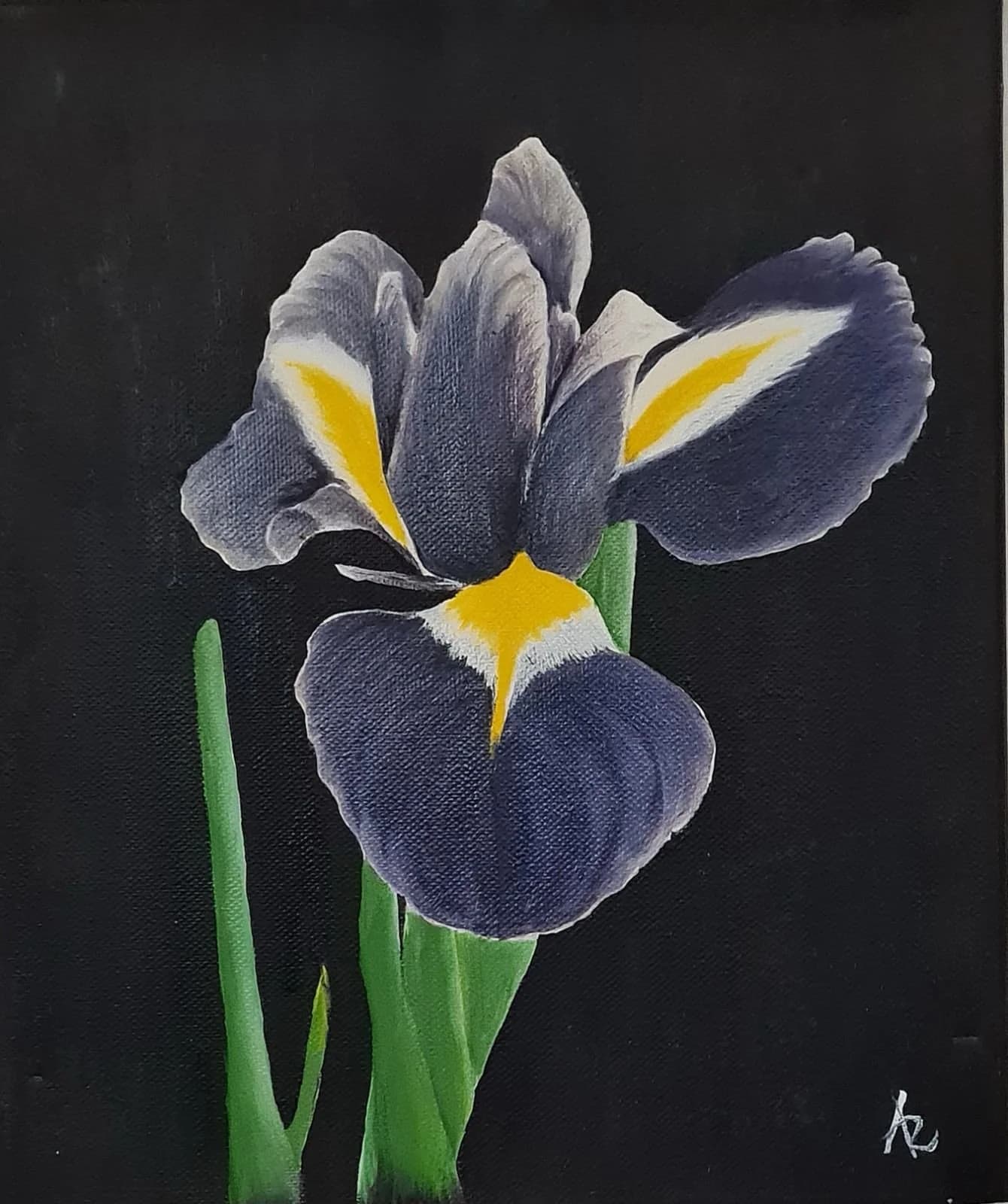
Oil paintings are more robust than people assume and more sensitive than people expect, usually to the wrong things. What actually damages them in a British house is rarely dramatic. It is damp, heat, and well meant cleaning.
Damp is the main problem
Canvas is fabric, and fabric responds to moisture. In a damp room it takes up water and slackens, then tightens again when the air dries out. That repeated movement, over years, is what cracks paint.
Older British houses with solid walls and no cavity are the usual culprits. If a wall feels cold and slightly clammy to the touch, do not hang anything on it that you care about. Bathrooms and kitchens are worse again, because they cycle between steam and dry heat several times a day.
What you want is somewhere with a stable temperature and moderate humidity. Interior walls are generally safer than external ones.
Heat and light
Do not hang a painting directly above a radiator. The column of hot dry air rising off it is harder on the painting than the general room temperature will ever be. The same goes for a working fireplace, and for a hallway that takes a blast of cold air every time the front door opens.
Direct sunlight fades pigment permanently, and nothing brings it back afterwards. Some pigments go faster than others, and you often will not notice until you move the painting and see the difference against the wall. A wall that takes strong direct sun is not a wall for art.
Cleaning, and what not to do
Dust with a soft dry brush. A clean wide artist's brush or a soft makeup brush is ideal, working gently from the top down. That is the whole of routine care.
What not to do: no water, no washing up liquid, no household sprays, no baby wipes, no white spirit, and above all no bread, which is an old trick that leaves crumbs and moisture sitting in the paint surface. Try not to touch the front with your fingers either, because skin oils stay where you put them.
If a painting has genuinely ingrained grime or a yellowed varnish, that is work for a conservator. Cleaning by hand is how paintings get skinned, and it cannot be undone.
New oil paintings need time
Oil does not dry by evaporating, it cures by oxidising, and that takes far longer than the touch dry stage suggests. A painting can feel dry within days and still be curing six to twelve months later.
That matters practically. Do not varnish a new oil painting for at least six months and preferably a year. Do not wrap it in plastic or store it face down against another surface during that time. Give it air.
If you need to store it
Upright, never flat, and never stacked with weight on top. Keep it off the floor and away from external walls, with a sheet of card or acid free tissue between paintings if there is more than one. A heated room is far better than a garage or a loft, both of which swing wildly in temperature.
Do not seal a painting in plastic for long term storage. Anything airtight traps moisture against the surface, which is exactly what you were trying to avoid in the first place.