How to Hang an Unframed Box Canvas Without Damaging It
By Rama Gallery · 25 July 2026
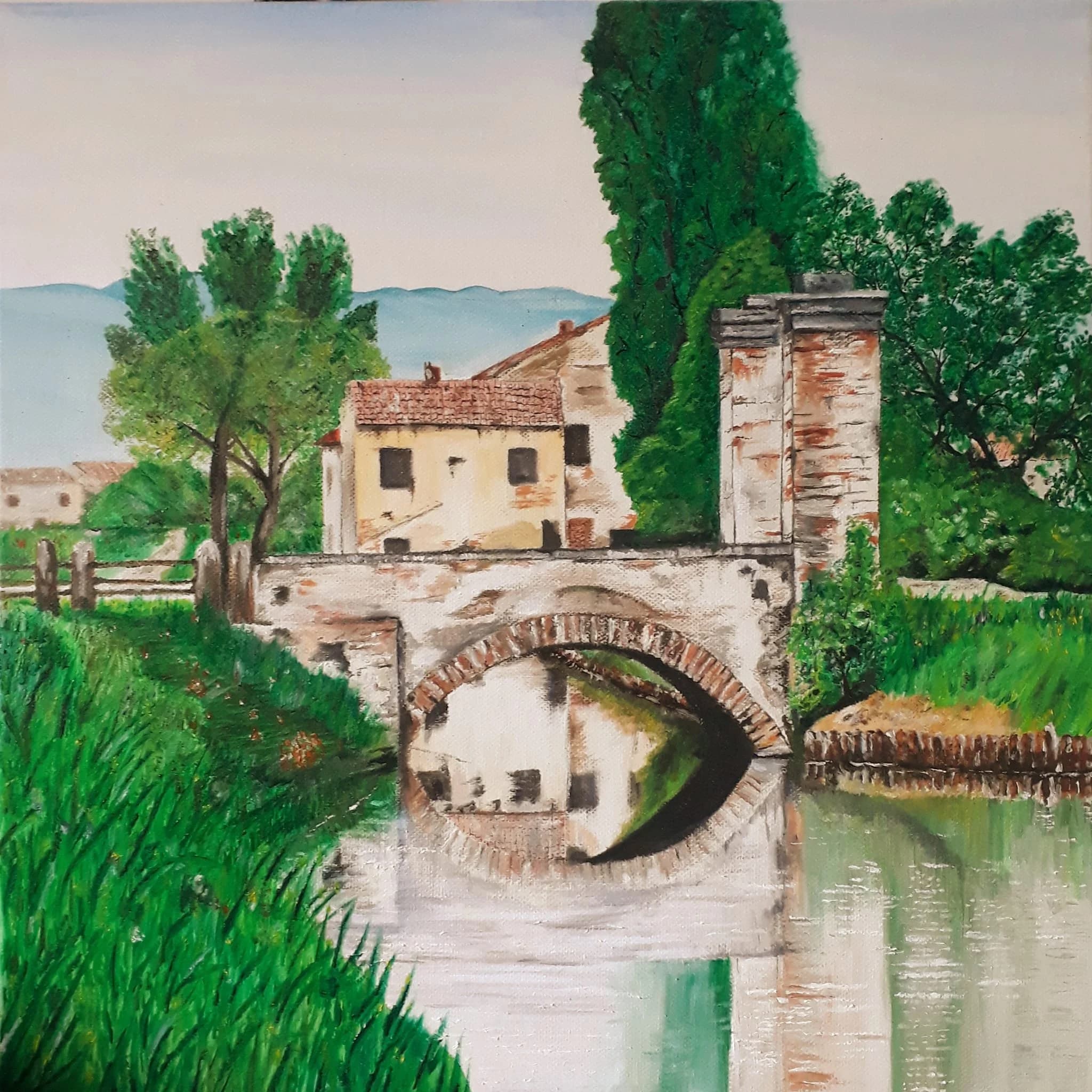
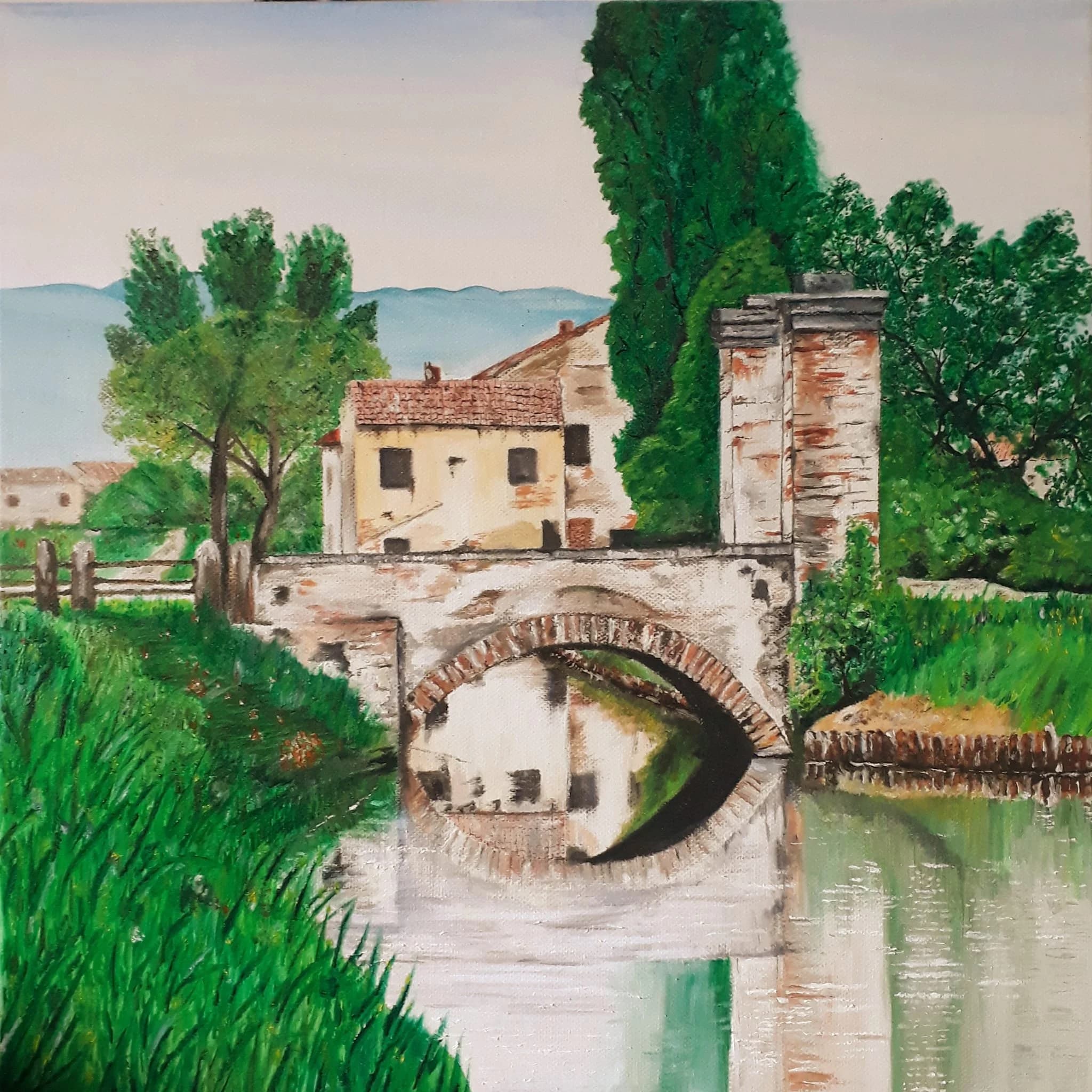
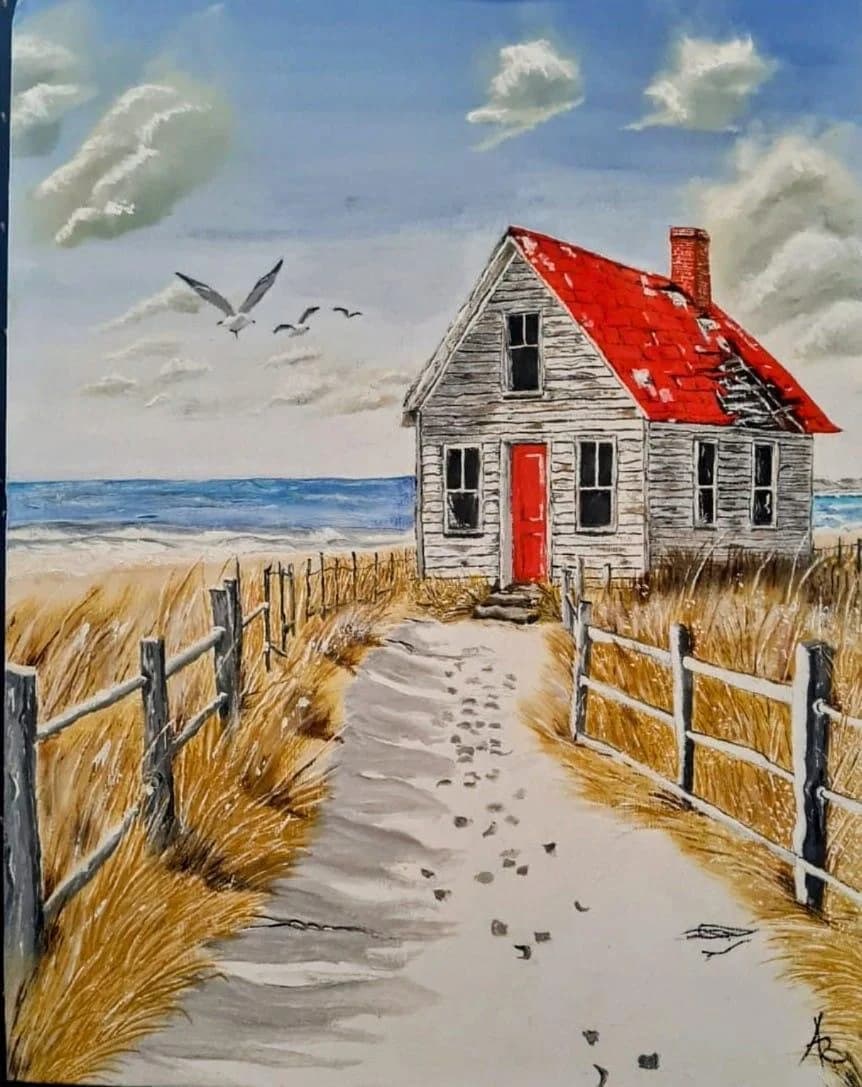
Most of the paintings in this collection are box canvases, which means the canvas is stretched over a deep wooden frame with the edges painted or left clean. They are made to hang exactly as they are, with no frame and no glass. That makes them easy to live with and slightly different to hang from a framed picture.
Get the height right first
The gallery convention is to hang so the centre of the painting sits about 145 to 150cm from the floor. That is roughly average eye level, and it is why paintings in galleries feel comfortable to look at rather than craned up at.
The mistake most people make at home is hanging too high. Above a sofa or a sideboard, leave about 15 to 20cm between the top of the furniture and the bottom of the canvas, so the two read as one group rather than two separate things.
Match the fixing to the wall
This matters more than anything else, and it is where paintings come off walls.
On solid masonry, brick or block takes a standard wall plug and screw. Drill with a masonry bit, tap the plug in flush, and drive the screw so about 5mm stands proud.
On plasterboard, a screw driven straight in will hold almost nothing. Either find a stud, usually at 400mm or 600mm centres, or use a proper hollow wall fixing rated for the weight. Self-drive plasterboard anchors are fine for lighter work.
Weigh the painting before you choose. A small canvas may be under a kilo, but a large one on a deep stretcher can be several. Buy a fixing rated well above the actual weight rather than just above it.
Support the frame, not the canvas
Box canvases usually have a wire or two D rings fixed to the stretcher bars. Hang from those. Never rest the canvas itself on a hook or a nail, and never grip the painted face when you are lifting it. Handle it by the stretcher bars at the sides.
If a canvas arrives with no fixing on the back at all, two D rings screwed into the vertical stretcher bars about a third of the way down is the standard solution. Use short screws so nothing comes through the front.
Think about where, not just how high
Direct sunlight fades pigment over years, so avoid a wall that takes strong afternoon sun. Radiators push warm dry air straight up the wall above them, which is hard on both canvas and paint. Bathrooms and kitchens swing between steam and dry heat, which is the worst combination for anything stretched.
Cold external walls in older British houses can hold condensation. If a wall feels cold to the back of your hand, hang somewhere else, or at least leave a small gap so air can move behind the canvas.
Hanging more than one
For a pair or a group, keep the gaps consistent, usually 5 to 8cm between canvases, and line up either the centres or the top edges rather than judging it by eye. Lay the arrangement out on the floor first and photograph it before you drill anything.
If you buy something here and you are not sure how it is best hung, just ask. Every piece is one of a kind and we would far rather talk it through first.