Are Acrylic Paintings Worth Less Than Oil Paintings?
By Rama Gallery · 1 October 2026

No. The paint a picture is made with does not decide what it is worth. Size, the artist, the quality of the work and what buyers will pay for it do. An acrylic and an oil by the same painter, at the same size, belong in the same price bracket, and some of the most expensive paintings of the last century are acrylic.
The question comes up because oil has a long head start. It has been the standard for serious painting for about five hundred years, while acrylic paint only became widely available to artists in the 1950s. For a while that made acrylic look like the newcomer, and the idea that it is the lesser medium has hung around longer than it deserves to.
What the art market actually shows
David Hockney painted his swimming pool pictures in acrylic, including A Bigger Splash, now in the Tate's collection, and Portrait of an Artist (Pool with Two Figures), which sold at auction in 2018 for more than 90 million dollars. Andy Warhol worked in acrylic and screen-printing ink. Nobody values those works less because of the paint.
At the level most people buy at, the same logic applies. A painting's price comes from the artist's standing, the size of the canvas, how long the work took and how much buyers want it. Medium is a small part of that, and it cuts both ways: oil paint costs more and takes longer to dry, but a large, careful acrylic can take just as many hours.
So what is the difference, for a buyer?
The differences that matter are about how the painting looks and lives, not its value.
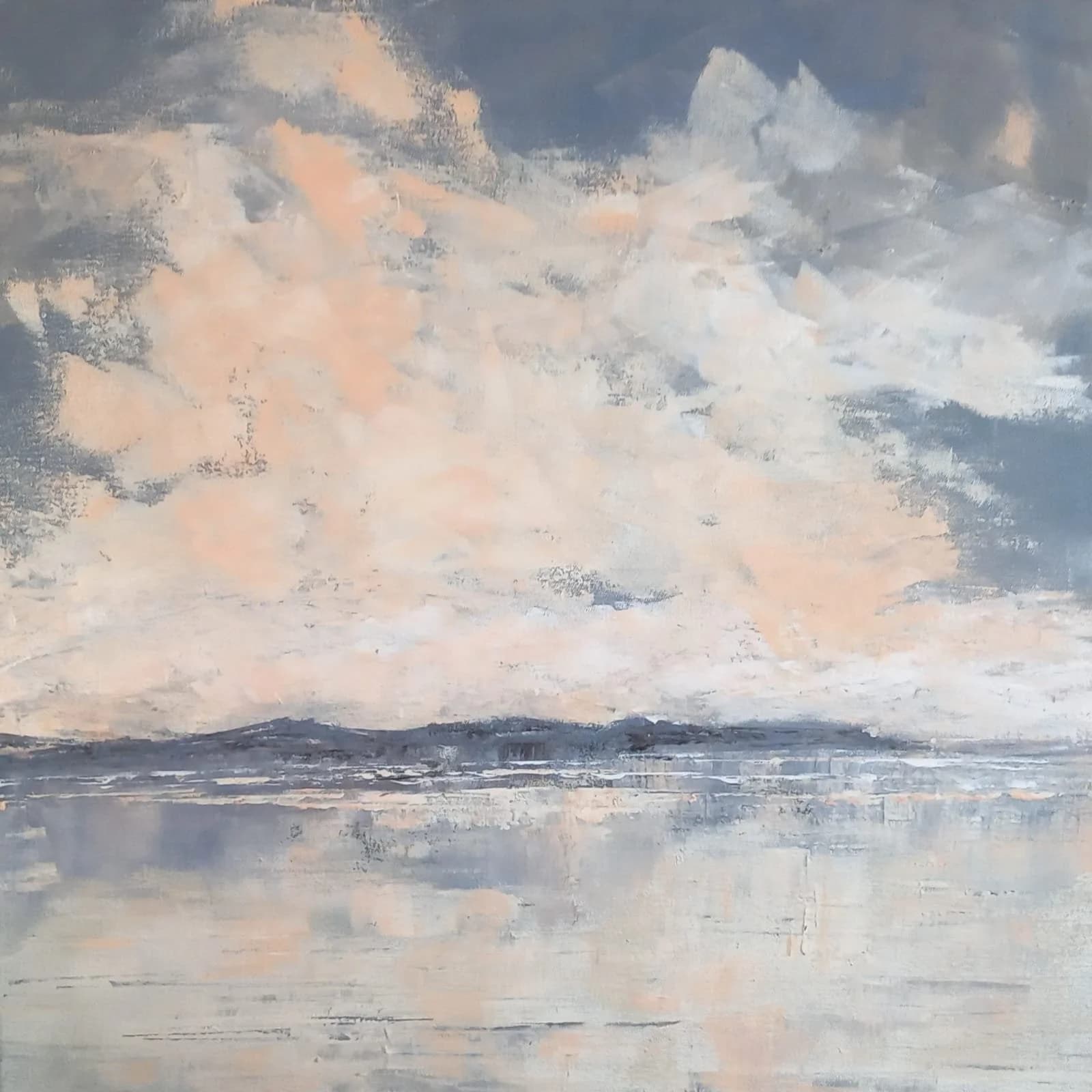
Oil paint stays wet for days and fully hardens over months, which lets the painter blend slowly and build up rich, soft transitions. It usually has a deeper, slightly glossy finish, and thickly applied oil keeps the marks of the brush and knife. Artur Rama works mostly in oil, and the textured greens in A Lonely Bridge show that clearly.
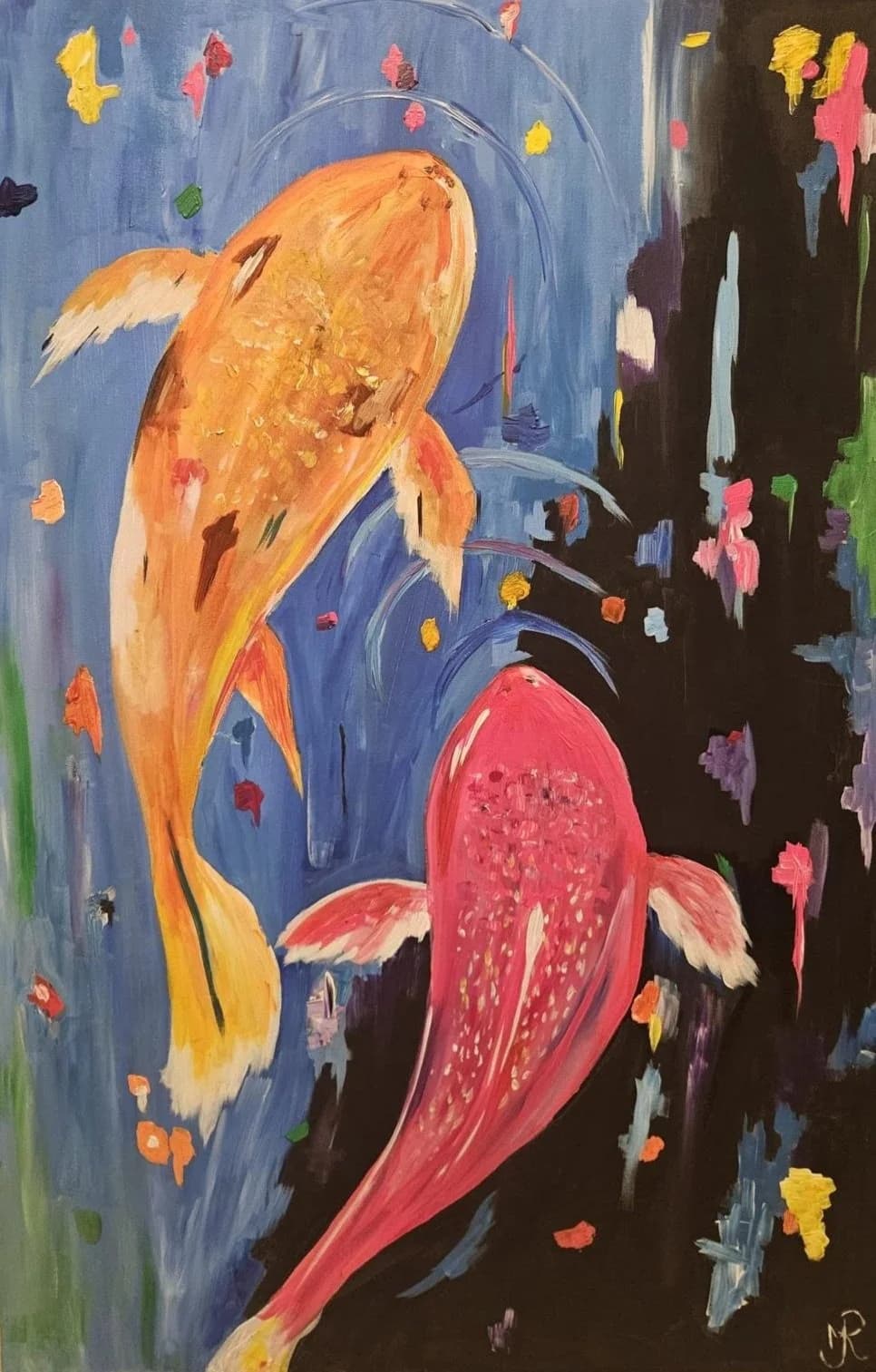
Acrylic dries in minutes. That suits bright, flat colour, crisp edges and confident, quick work. It tends to have a more even surface and a finish that ranges from matt to satin. Michele Rama and Pamela Cooper both paint in acrylic, which is part of why their colour reads so clean.
Will an acrylic painting last as long?
Yes, if it is looked after. Good acrylic paint is stable and stays flexible, so it is less prone to cracking than old, thick oil. Oil is proven over centuries, and a well made oil painting will outlive all of us. Either way, the things that damage paintings are the same: strong sunlight, heat, damp and big swings in temperature. Our guide to caring for a painting in a British house covers the practical side.
How to choose between them
Choose the painting, not the paint. If you are drawn to the texture and depth of oil, you will see it in the room every day. If you like bold, clean colour and a flatter surface, acrylic often does that best. Neither choice is the budget option.
If you are weighing up an original against a print, that is a much bigger difference than oil against acrylic. We explain why in original art vs prints.